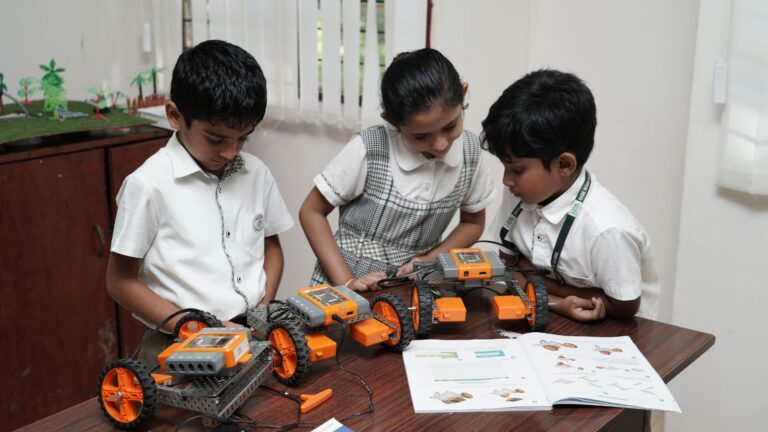

Ask any teacher which class is harder to settle after lunch and the answer is usually the same: the one right after a stretch of indoor screen time or sitting still. There’s a straightforward fix that schools are increasingly taking seriously, and it isn’t complicated. It’s simply teaching outdoors more often.
The benefits of outdoor learning turn out to be backed by a surprising amount of research, not just intuition.
What the Research Actually Says
A recurring finding across multiple studies is that children focus better after time outdoors. One wellcited study found that children needed roughly half as many teacher redirects to stay on task after an outdoor lesson compared to an indoor one, a fairly striking gap for something as simple as a change of setting. Other research has tracked children over years rather than days: a longitudinal study on preschoolers found that the more time children spent outdoors, the better they performed on tests of memory and attention, with the effect still measurable a decade later in stronger attentional control and academic results as teenagers.
The benefits of outdoor learning also show up physiologically, not just behaviourally. Studies measuring stress hormones have found that children who spend regular curriculum time outdoors show better stress regulation, and research using urban school settings found significantly lower physiological stress in outdoor environments compared to indoor classrooms, even in noisy city settings. A broader meta-analysis of outdoor education programmes found consistent links to improved self-esteem, independence, and social skills like teamwork and communication.
Why Being Outside Changes How Children Learn
Part of the explanation is fairly simple: sitting still for long stretches is genuinely hard for a developing brain, and moving through a real environment engages more senses at once than a worksheet ever will. But there’s more to it than restlessness. Natural environments appear to have a genuine restorative effect on attention, what researchers sometimes call “soft fascination,” where nature holds interest gently instead of demanding hard focus, giving the brain’s attention systems a chance to recover. That recovery seems to carry over into the next indoor lesson, which is likely why the redirect studies show what they show.
It’s Not Just Recess
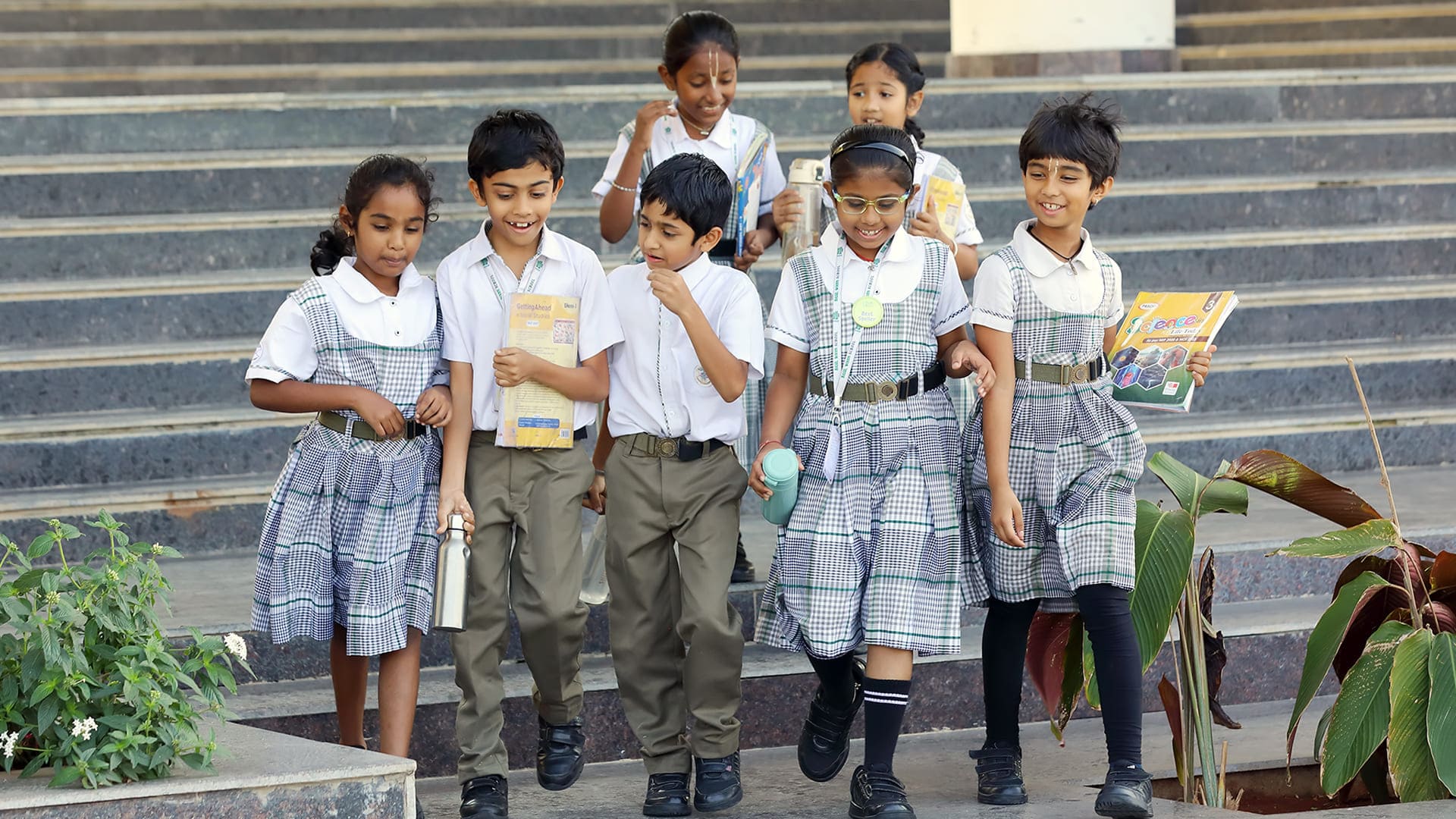
It’s worth being precise about what outdoor learning means here, because it’s often confused with simply having more playtime. The strongest research findings come specifically from curriculum content taught outdoors, a science lesson conducted in a garden, a maths concept explored through measuring real objects outside, not just unstructured breaks between lessons. Recess matters too, but the benefits of outdoor learning specifically relate to using outdoor space as an active teaching environment, not just a place to release energy.
Literacy and Academic Gains, Not Just Wellbeing
It’s tempting to file outdoor learning under “nice to have” rather than academically serious, but recent research pushes back on that. Studies have linked outdoor learning to measurable gains in literacy and academic performance, alongside the wellbeing and behavioural benefits. Researchers studying this area have also noted that outdoor settings often create more authentic opportunities for skillbuilding than a traditional classroom can, simply because the environment itself provides real material to observe, measure, and question.
A Reasonable Question for Parents
If you’re evaluating how seriously a school takes this, ask how outdoor learning is structured, is it a genuine part of the weekly academic schedule, or an occasional field trip? Is there a dedicated outdoor space designed for actual lessons, not just a playground? The answer tells you whether a school treats nature as core to how children learn, or as a pleasant extra.
Where This Comes Naturally
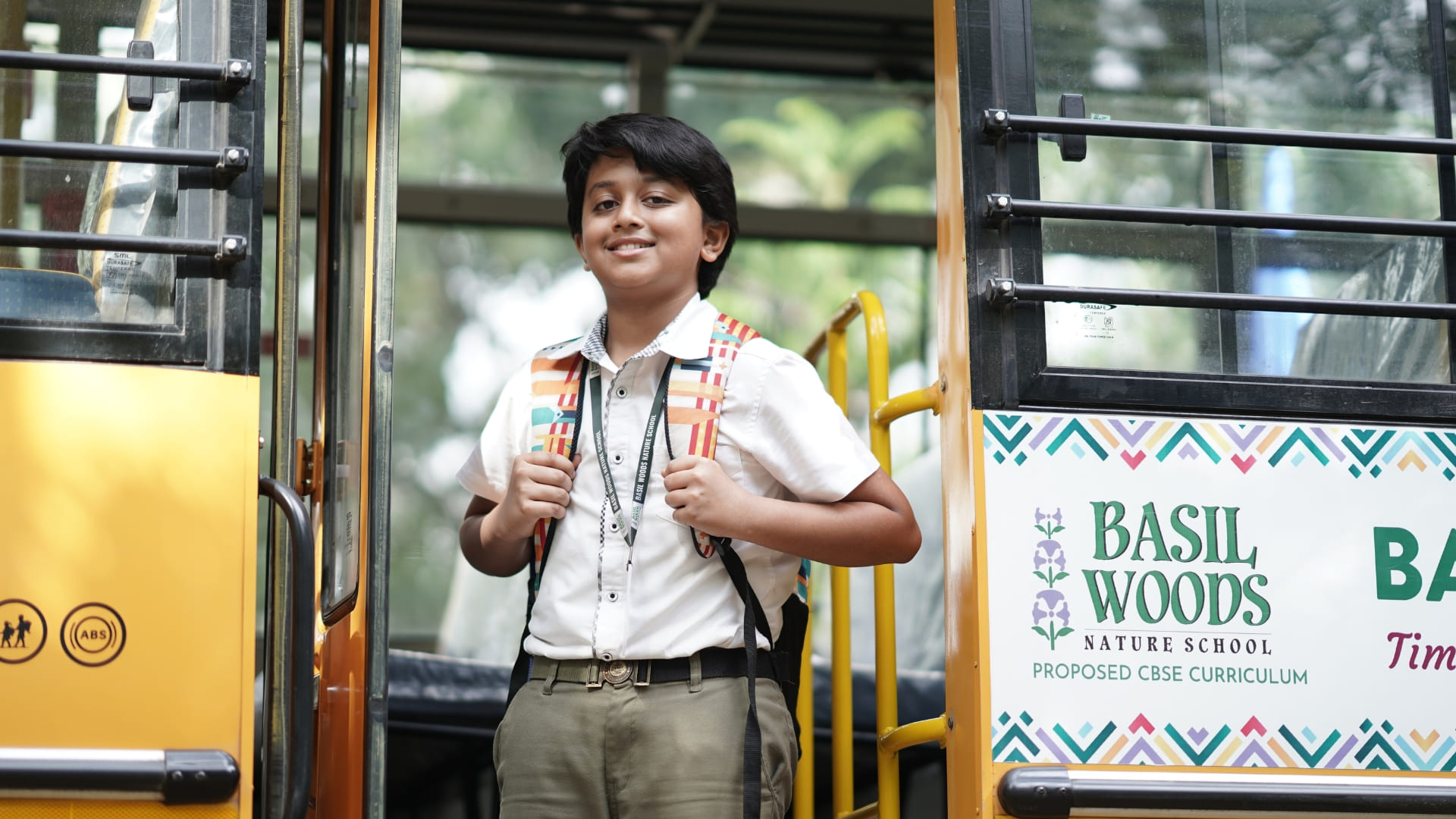
At our Ghatkesar campus, outdoor learning isn’t something we schedule around, our nature-based setting is built into daily academics, so children move between classroom and outdoor lessons as a normal part of the week rather than a special occasion. You can see how this works at basilwoodshyd.in/nature-school-ghatkesar, or book a visit at basilwoodshyd.in/enquiry to walk the campus yourself.