Ask a child what they remember from school and you’ll rarely hear “the day we copied notes from the board.” You’ll hear about the volcano they built, the class trip where they saw a real ecosystem, the time they got to run an actual experiment instead of reading about one. That’s experiential learning in action, and there’s a growing body of research backing up what good teachers have always sensed instinctively.
What Experiential Learning Actually Means
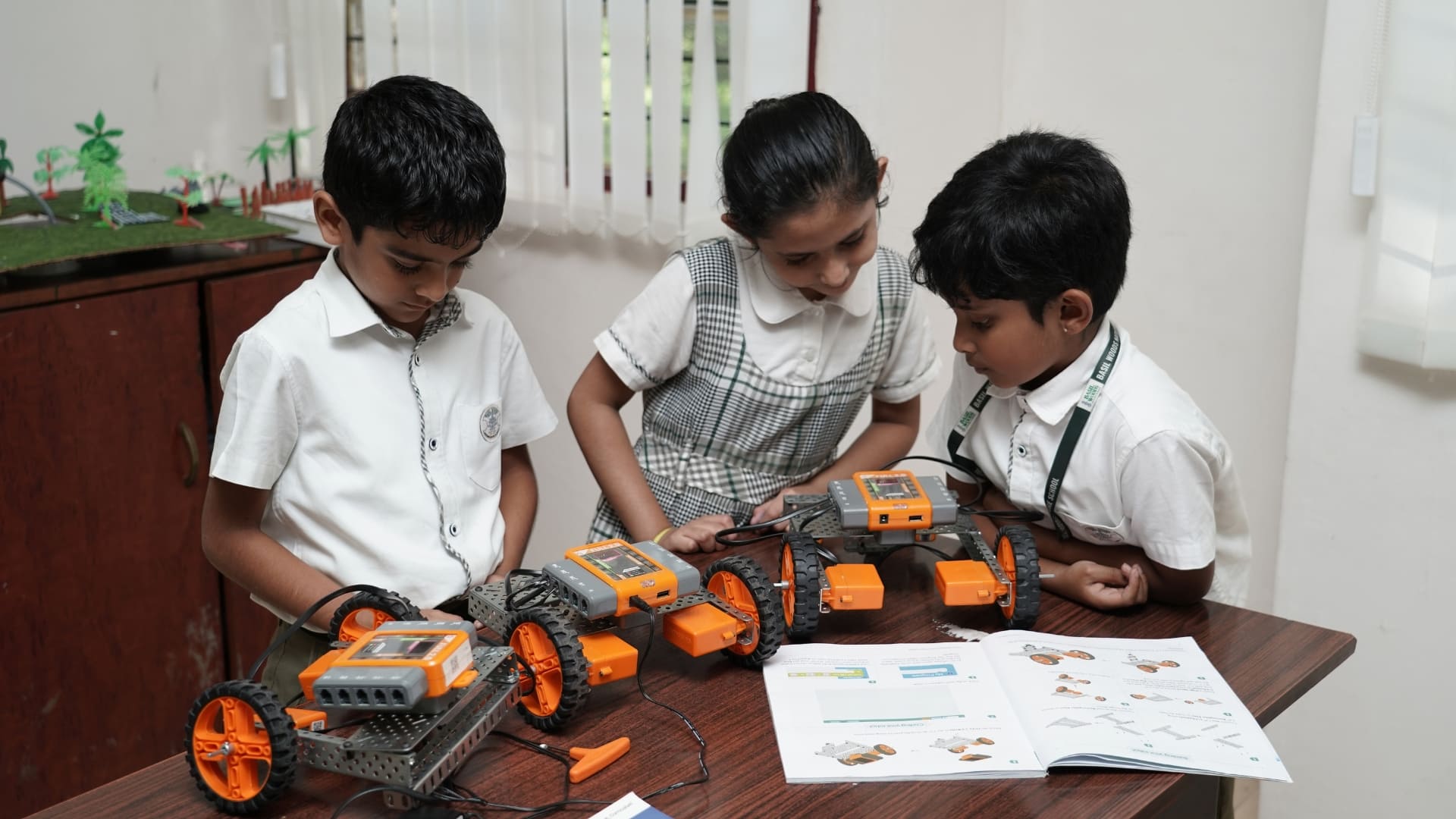
Experiential learning is exactly what it sounds like, gaining knowledge through direct, hands-on experience rather than passive instruction. It’s built on a simple cycle: children do something, reflect on what happened, connect it to a concept, and then try applying that concept somewhere new. A child measuring ingredients while baking is quietly practising fractions. A child planting seeds and tracking growth over weeks is learning biology through observation instead of a diagram in a textbook.
This isn’t a new idea, educational theorists have argued for learning-by-doing for close to a century,
but it’s gaining fresh momentum now because the research evidence has caught up with the theory.
What the Research Actually Shows
A rapid evidence review conducted by researchers at UCL’s Institute of Education examined existing studies on experiential learning and found consistent links between this approach and stronger performance in science, maths, and cross-curricular skills. Notably, the review found experiential learning was especially beneficial for lower-achieving students, some of whom showed greater learning gains than their peers, likely because hands-on approaches build confidence and selfesteem around learning alongside the academic content itself. Other academic reviews have found similar patterns: children who learn experientially tend to build a stronger working vocabulary around what they’re studying, because they’re using the language of a subject in a real context rather than memorising it in isolation.
The research also flags an important nuance. Experiential learning works best when it isn’t treated as an occasional treat bolted onto a traditional curriculum, but woven into the regular learning process, with time for reflection before and after the activity, not just the activity itself.
Why It Sticks Better Than Passive Learning
There’s a simple reason experiential learning tends to be remembered longer: emotion and physical involvement both strengthen memory. A child who built a working model, got frustrated when it failed, and figured out why, remembers that lesson years later in a way that reading the same explanation in a textbook rarely achieves. It also builds skills that don’t show up neatly on a worksheet, teamwork
when working in groups, patience when an experiment doesn’t go as planned the first time, and the confidence that comes from figuring something out rather than being told the answer.
What Experiential Learning Looks Like Day to Day
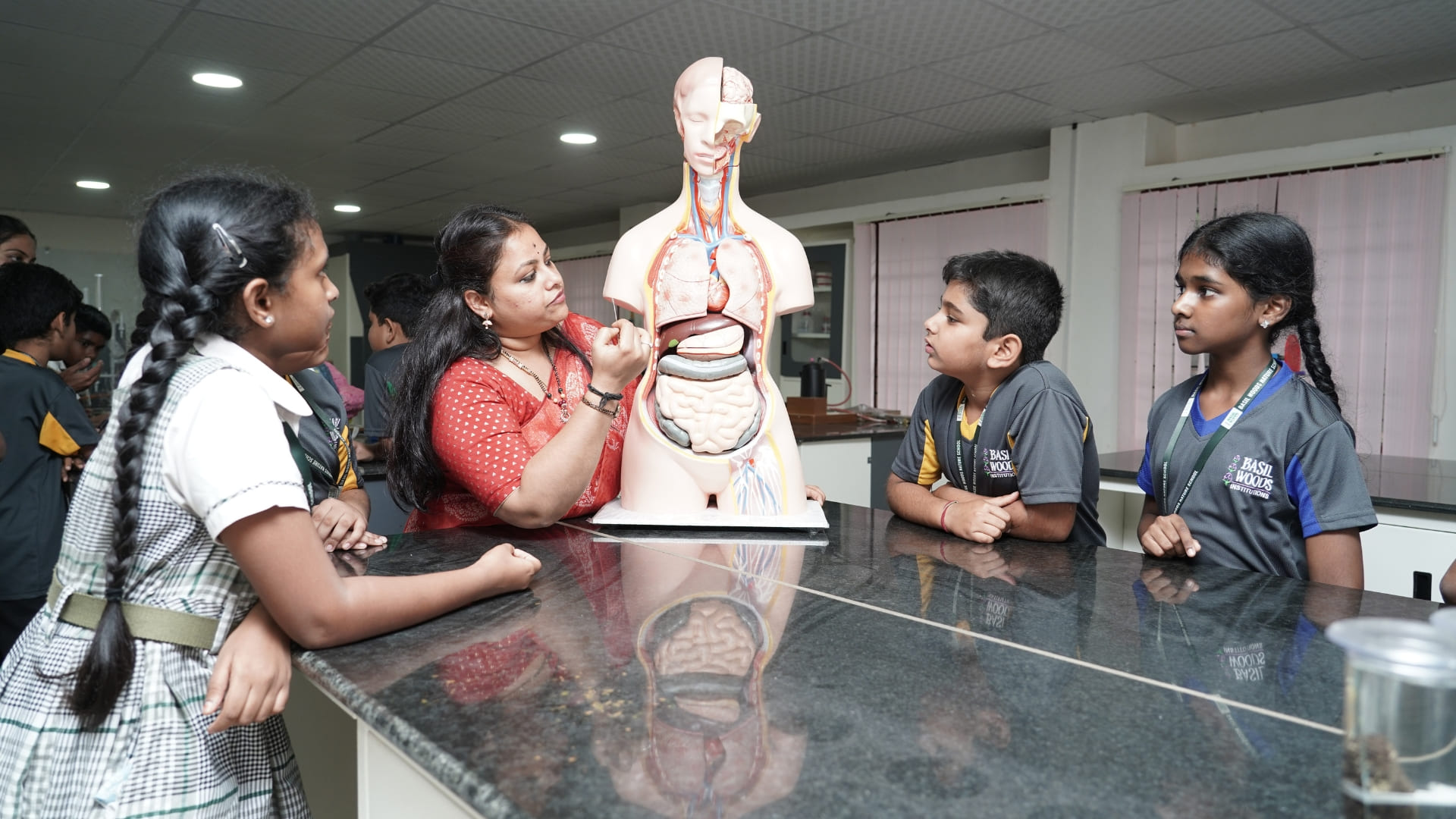
In practice, this can be as simple as a science lesson conducted outdoors instead of in a textbook, a maths concept taught through a real budgeting exercise, or a history lesson brought to life through role play instead of a timeline on a whiteboard. The common thread is that children are doing something with the knowledge, not just receiving it.
A Word of Caution for Parents
It’s worth saying plainly: experiential learning isn’t a replacement for a structured curriculum, and it isn’t automatically better just because it involves activity. A field trip with no follow-up discussion teaches less than a shorter activity paired with genuine reflection afterward. The value comes from the thinking that happens around the experience, not the experience alone.
Bringing It Home
If you want to support experiential learning outside school, look for opportunities that let your child do rather than just watch, cooking together, visiting a working farm or science centre, building something and troubleshooting when it doesn’t work the first time. These moments matter more than they seem to at the time.
At our Ghatkesar campus, experiential learning isn’t an occasional field trip, it’s built into how we teach across subjects, with our nature-based setting giving children room to learn through direct experience every day rather than once a term. You can see this approach in practice at basilwoodshyd.in/nature-school-ghatkesar, or book a visit at basilwoodshyd.in/enquiry to watch a class in session.