Exam season tends to be when sports periods quietly disappear from the timetable first. It’s an understandable instinct, more study time should mean better results. But the research on the importance of sports in school tells a more complicated, and honestly more interesting, story than “cut PE, gain marks.”
What the Evidence Actually Shows
What the research does support, consistently and across many studies, is something more indirect but arguably just as valuable. Physically active and fit children tend to show better concentration, fewer classroom behavioural issues, and better attendance. Regular physical activity appears to improve arousal and focus in ways that indirectly help academic work, even if it isn’t a direct shortcut to higher test scores. A major academic review examining the importance of sports in school across physical, social, affective, and cognitive domains found solid evidence for benefits in the first three, movement skills, social development, and emotional wellbeing, with the cognitive and academic link being real but harder to isolate cleanly.
Where the Real Case for Sports Gets Stronger
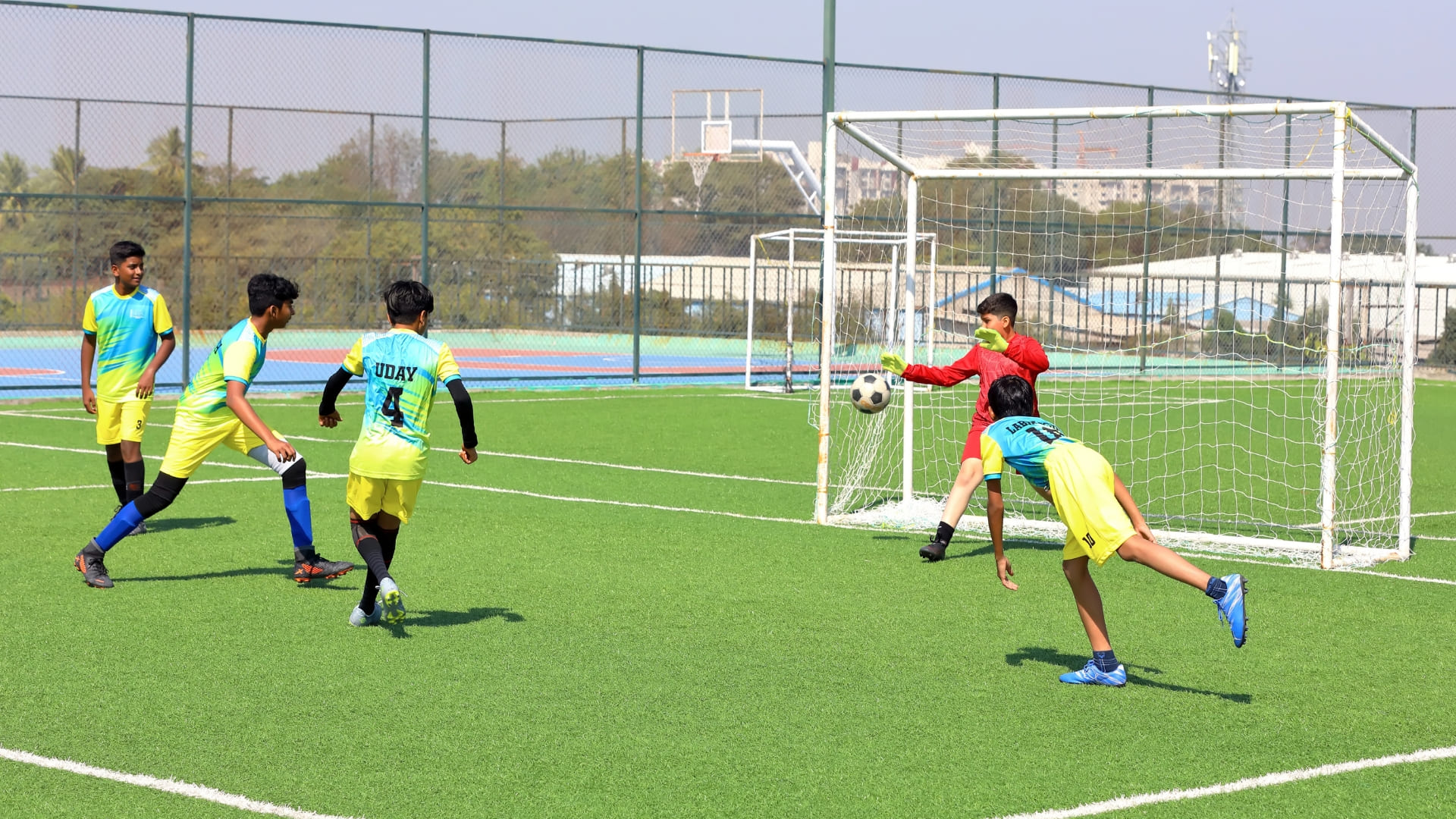
The social and emotional benefits of the importance of sports in school are less contested than the academic ones. Team sports build cooperation, communication, and the ability to handle both winning and losing gracefully, skills that don’t show up on a report card but matter enormously in how a person functions later in life. Sport also builds fundamental movement skills and physical competence early on, which research suggests are a necessary foundation for staying physically active for life, not just during school years.
There’s also a straightforward physical health case that doesn’t need much research to justify: regular movement supports healthy growth, cardiovascular fitness, and better sleep, and schools are one of the few consistent places where children are guaranteed to be physically active if it’s built into the schedule.
Why Cutting PE During Exam Season Is Often the Wrong Call
Given what the research actually shows, dropping sports periods to squeeze in more study time is frequently counterproductive. A tired, sedentary child with reduced concentration doesn’t necessarily out-study a child who’s had a genuine physical break, even if the extra hour on paper looks like more preparation. Some of the strongest research findings, that daily physical education doesn’t harm academic performance, directly contradicts the instinct to cut it under pressure.
What Good Physical Education Looks Like
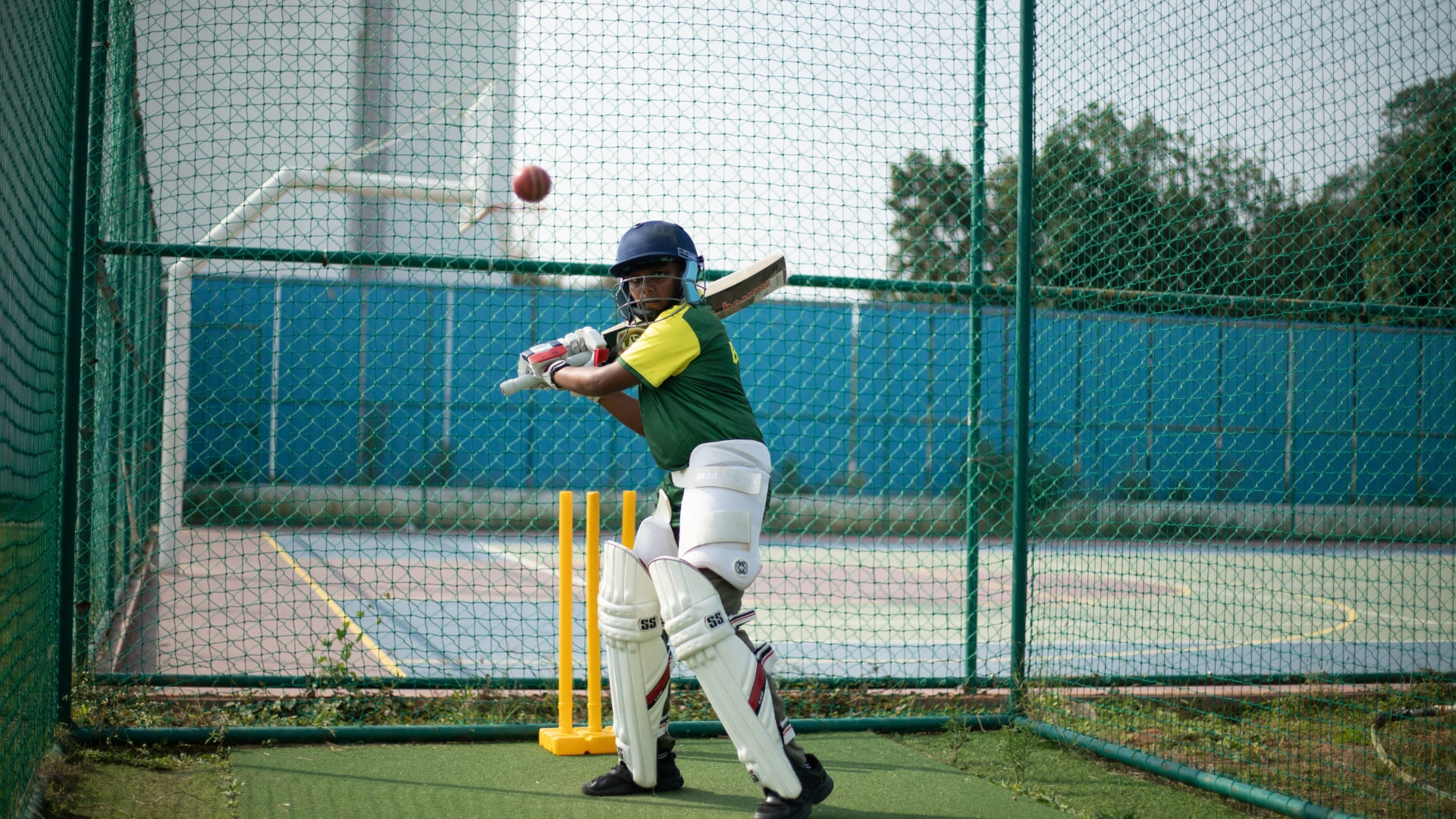
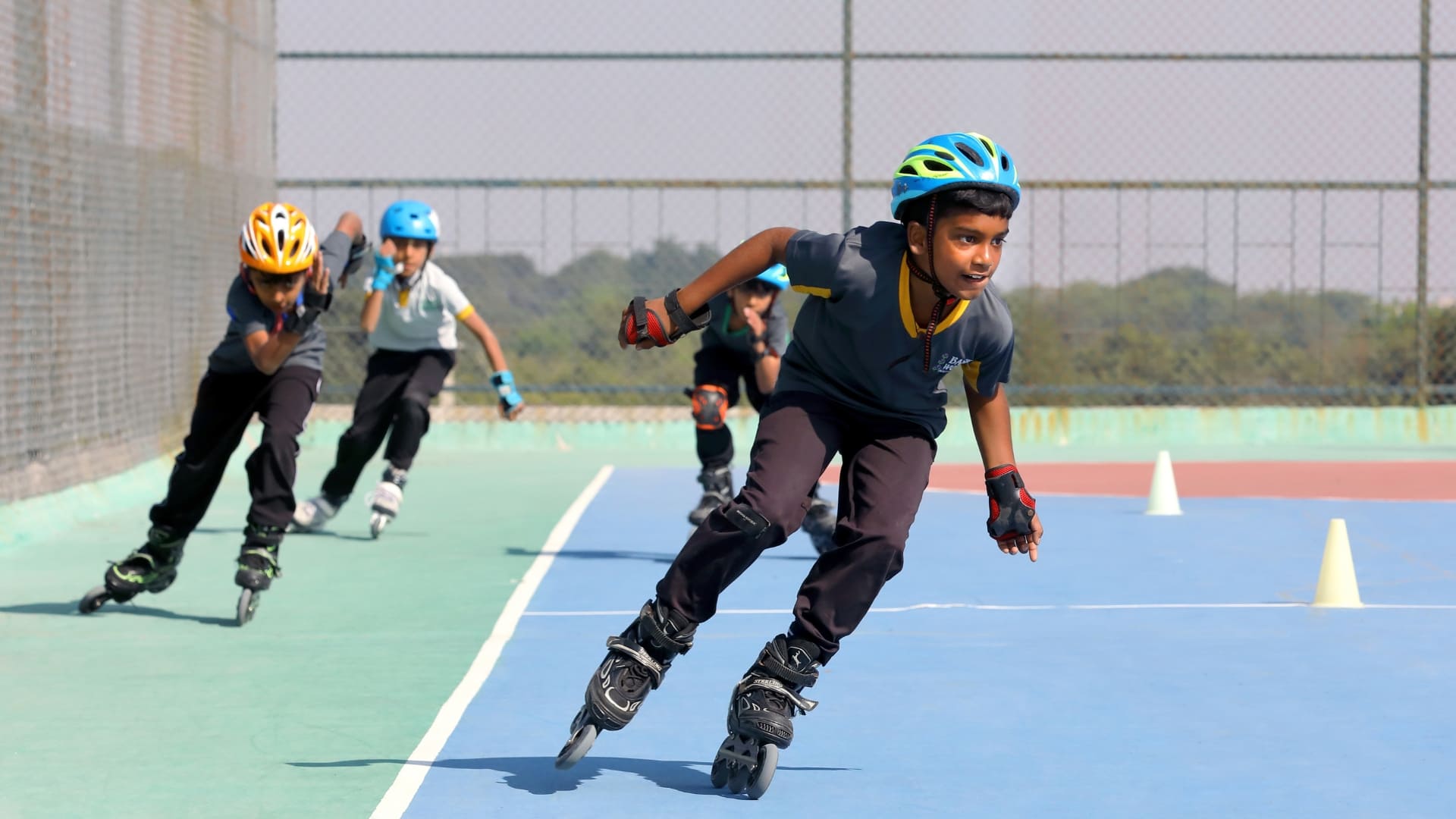
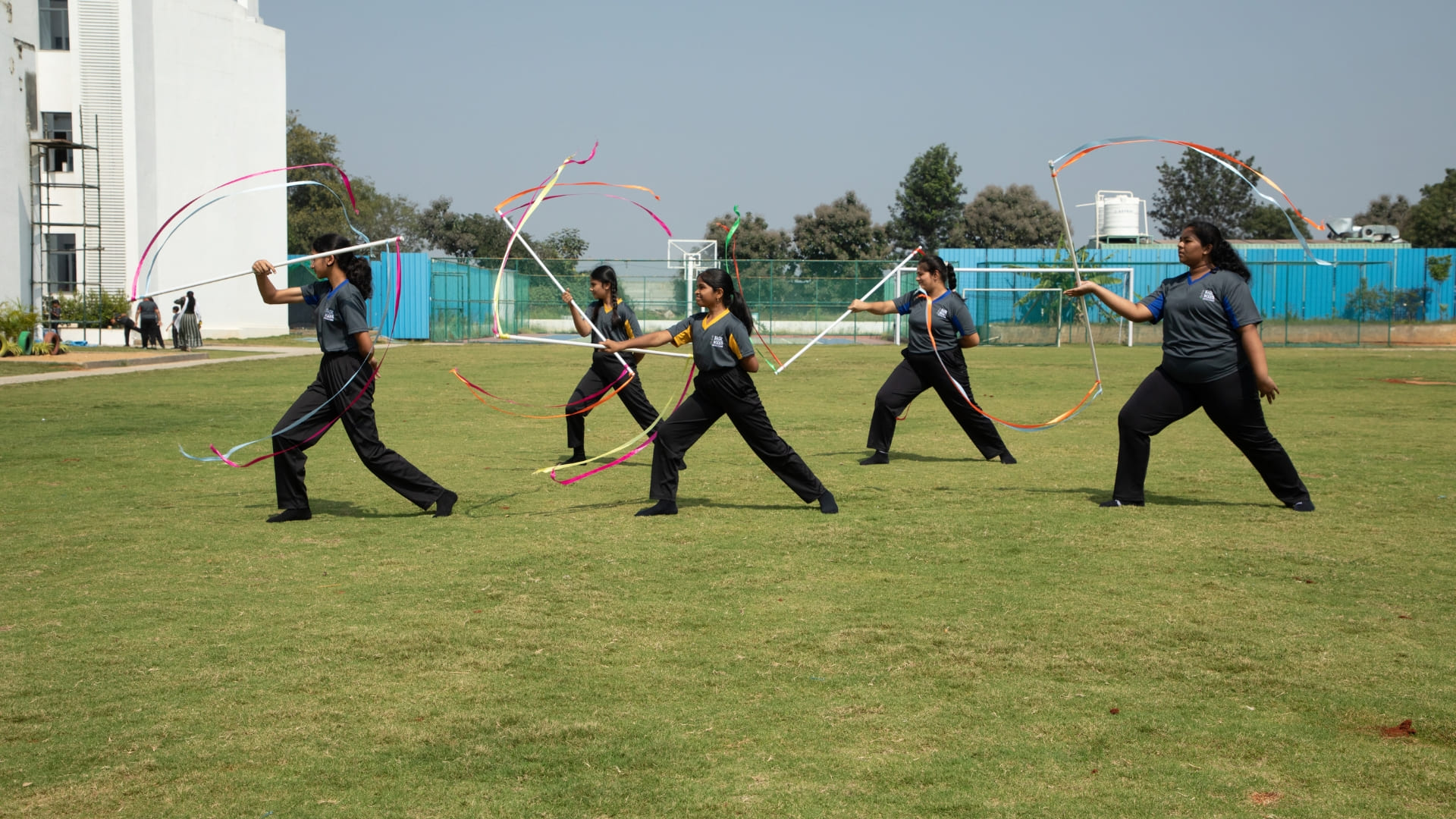
The importance of sports in school isn’t really about producing competitive athletes. It’s about consistent, well-structured activity, fundamental skill-building in the early years, exposure to a range of sports rather than just one, and genuine inclusion so children who aren’t naturally athletic still participate rather than sit out. A PE period that’s mostly supervised free time teaches less than one
with actual structure and coaching behind it.
A Fair Question to Ask a School
If you’re assessing how seriously a school takes this, ask how many structured PE periods are guaranteed weekly, whether they survive during exam months, and what range of sports and physical activities are actually offered, not just listed in a brochure.
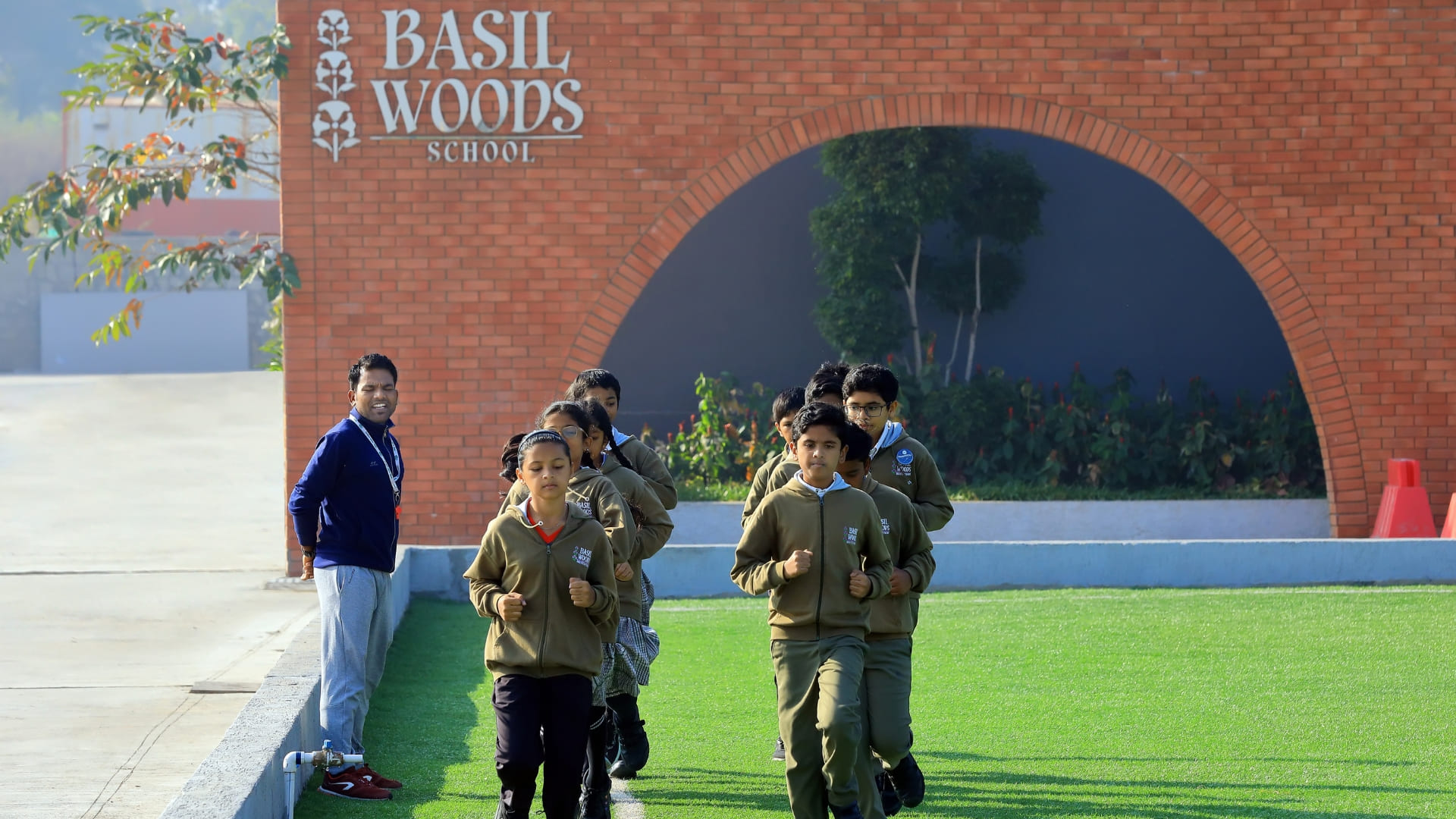
If you’re assessing how seriously a school takes this, ask how many structured PE periods are guaranteed weekly, whether they survive during exam months, and what range of sports and physical activities are actually offered, not just listed in a brochure.
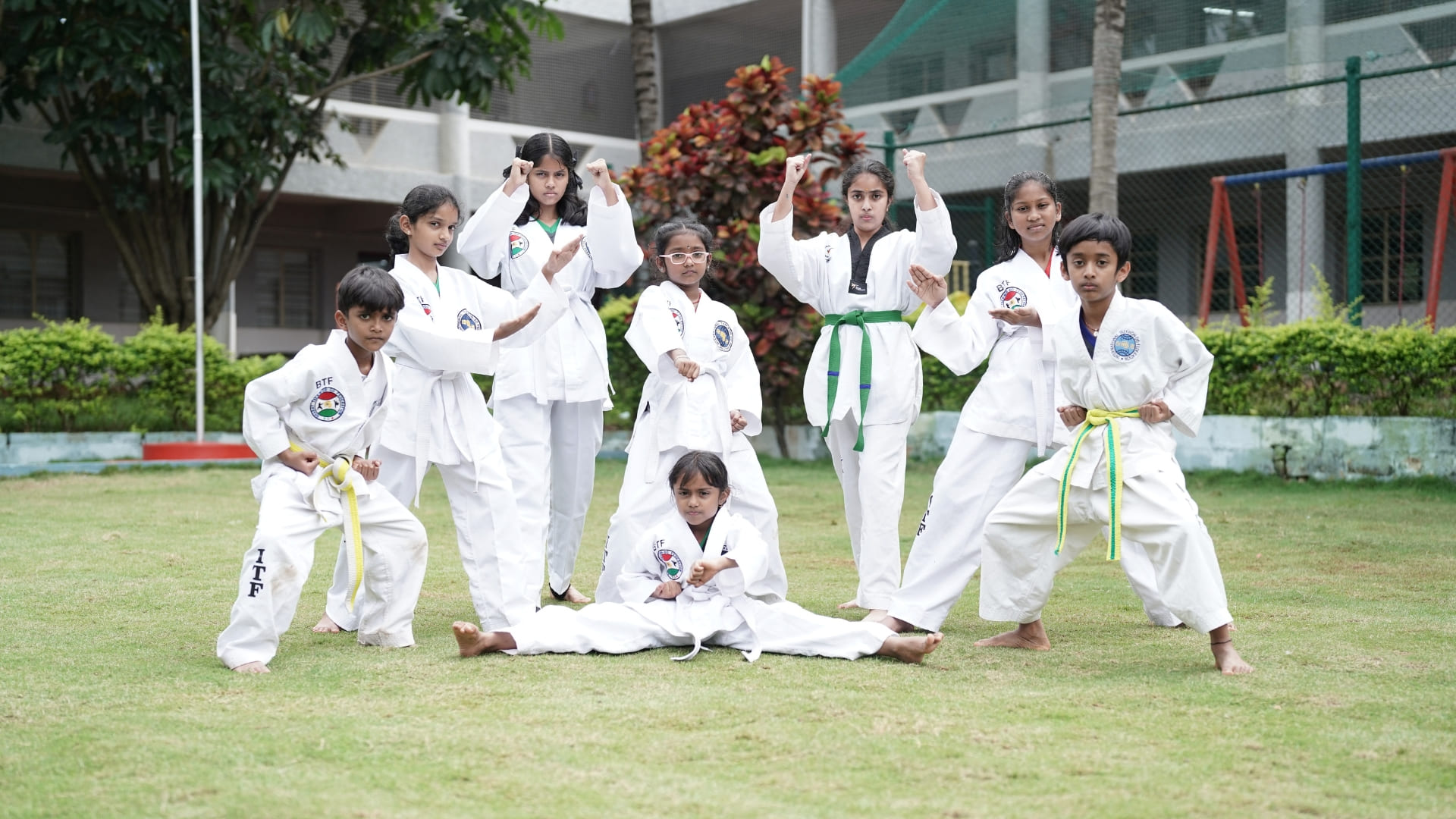
At Basil Woods, physical education stays on the timetable throughout the year, not just around it, because we’ve seen firsthand what a tired, sedentary child brings to a classroom versus one who’s had a genuine physical outlet. You can see our sports facilities and programme at basilwoodshyd.in/facilities, or book a campus visit at basilwoodshyd.in/enquiry.